
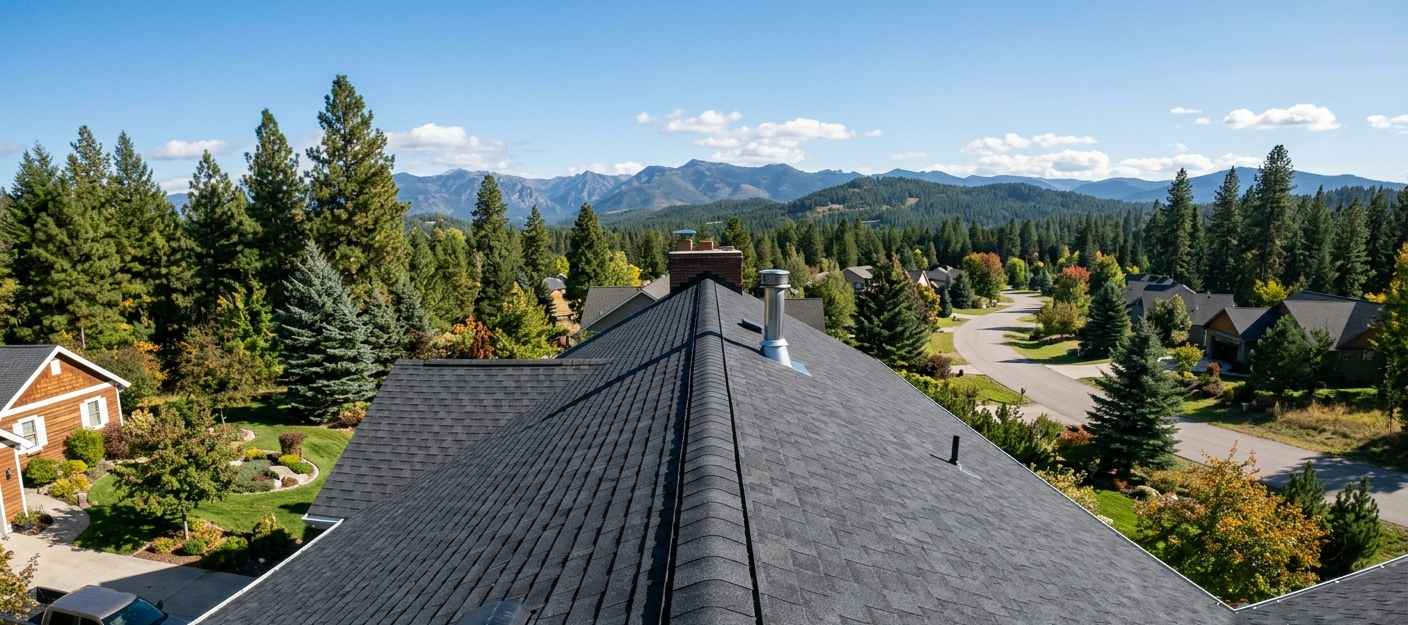
Roofs Built for Decades of Weather
Roofing Services in the Rupert, ID area for properties exposed to wind, snow, and temperature swings
Idaho's high desert climate creates specific demands on roofing systems that coastal or humid-region materials may not address adequately. Lofgran Enterprise provides roofing services in Rupert, Heyburn, Burley, and surrounding areas that account for the freeze-thaw cycles, intense summer sun, and occasional high winds common to the region. When your roof shows granule loss in the gutters, curling shingles along ridge lines, or water stains on interior ceilings, those signs indicate that the protective barrier has begun to fail and requires professional assessment.
Roofing work ranges from targeted repairs that address isolated damage to complete tear-offs and replacements when multiple layers or widespread deterioration make patching ineffective. Proper installation includes evaluating deck condition, selecting underlayment rated for local temperature extremes, and ensuring ventilation systems prevent moisture buildup that accelerates material breakdown. Each project begins with an inspection to determine whether repair extends the roof's functional life or whether replacement provides better long-term value.
Request a roofing estimate to review your property's current condition and discuss material options suited to your building's structure.
What Proper Roofing Installation Requires
Roof replacement involves removing existing materials down to the deck, inspecting sheathing for rot or structural weakness, and addressing any deficiencies before new underlayment and shingles go down. Ventilation requirements vary depending on attic design and insulation levels, and meeting those requirements prevents heat buildup that shortens shingle lifespan. Flashing around chimneys, skylights, and vent pipes must be installed in a sequence that directs water away from seams, since these transition points are where most leaks originate years after installation.
Once the new roof is complete, you'll notice that temperature regulation inside the building improves, especially in upper floors or attic spaces where poor ventilation previously caused heat accumulation. Gutters will collect clean runoff without the granule debris that signals shingle degradation, and the roofline will appear uniform without the wavy or sagging sections that indicate underlying deck problems. Lofgran Enterprise focuses on workmanship that keeps fasteners properly seated, maintains consistent shingle exposure, and seals all penetrations to manufacturer specifications.
Roofing projects also include considerations about material weight, especially when adding a layer over an existing roof, and about warranty terms that depend on proper installation technique. Some warranties require specific underlayment products or ventilation configurations, and deviations void coverage even if the roof performs adequately. Selecting materials involves balancing upfront cost against expected lifespan, with dimensional shingles typically outlasting three-tab options by several years in this climate.
What Property Owners Usually Ask
Roofing decisions affect both immediate project budgets and long-term maintenance costs, so understanding the factors that influence durability and performance helps clarify which approach suits your situation.
What determines whether a roof needs repair or full replacement?
The number of existing layers, the extent of deck damage, and whether shingles have lost enough granules to expose the underlying mat all influence this decision. If more than 30 percent of the roof shows deterioration, replacement usually makes more financial sense than repeated repairs.
How does Rupert's climate affect roofing material selection?
Freeze-thaw cycles cause ice dams along eaves when heat escapes through poorly ventilated attics, and intense summer sun accelerates UV degradation of asphalt shingles. Materials rated for Class 4 impact resistance and high wind ratings perform better in this region's occasional hailstorms and gusts.
What happens during a roof replacement project?
Crews remove old materials, inspect and repair sheathing, install underlayment and drip edge, apply new shingles starting from the eaves, install flashing at all penetrations and valleys, and complete ridge capping with proper ventilation. Cleanup includes magnet sweeps to collect stray fasteners from surrounding areas.
How long does roofing work typically take?
Most residential projects finish within two to four days depending on roof complexity, weather conditions, and whether deck repairs extend the timeline. Scheduling depends on material availability and current project loads, particularly during peak construction months.
What maintenance extends a roof's functional life?
Annual inspections identify loose or damaged shingles before leaks develop, clearing debris from valleys prevents water pooling, and ensuring attic ventilation remains unobstructed reduces heat-related aging. Addressing minor issues early prevents the cascading damage that leads to premature replacement.
Lofgran Enterprise evaluates each property's specific conditions and discusses material options that balance durability with project budget. Schedule a consultation to review your roof's current state and receive a detailed project estimate based on your building's requirements.