
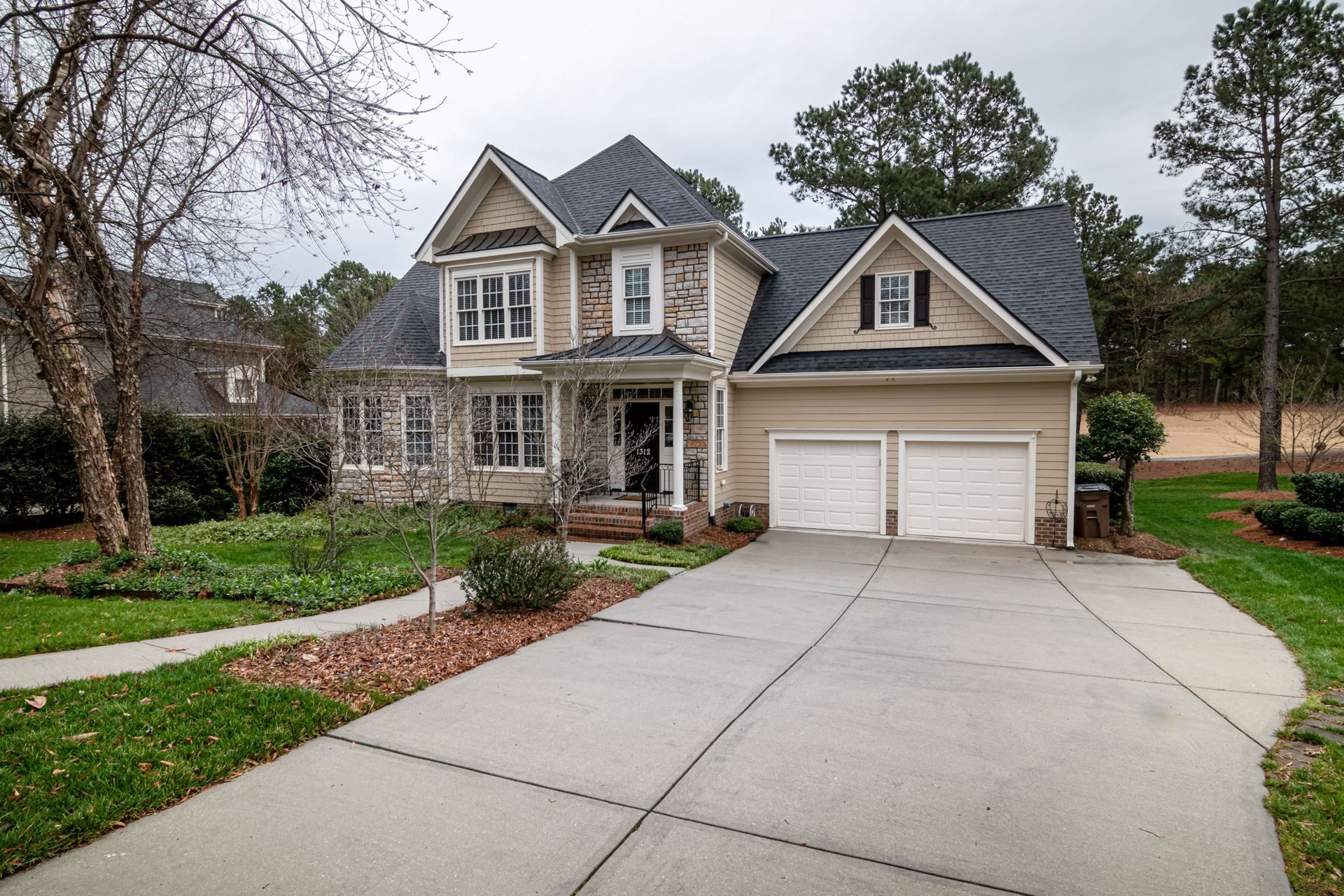
Flatwork Designed for Stable Performance
Concrete Services in Rupert, ID and surrounding areas for driveways, patios, and walkways requiring durable construction
Proper site preparation determines whether concrete develops cracks within the first year or performs reliably for decades. Subgrade compaction, base material depth, and control joint placement all influence how the finished slab responds to freeze-thaw cycles and ground movement common in Idaho soils. Lofgran Enterprise provides concrete services in Rupert, Twin Falls, Heyburn, and neighboring communities, for residential and commercial properties, handling driveways, patios, walkways, slabs, and other flatwork projects where structural integrity depends on careful execution from excavation through final finishing.
Concrete work begins with evaluating soil conditions and drainage patterns to determine whether additional base material or adjustments to slope prevent future settling or water pooling. Forms are set to the specified dimensions and grade, reinforcement is positioned to control crack location, and concrete is placed in sections that allow proper consolidation and finishing. Mix design affects both workability during placement and long-term durability, with air entrainment critical for freeze-thaw resistance in this climate.
Request a concrete project estimate to discuss site-specific requirements and receive a detailed proposal based on your property's conditions.
What Changes After Concrete Work Completes
Installation involves excavating to the required depth, placing and compacting granular base material to provide stable support, setting forms to control slab thickness and edges, and positioning rebar or wire mesh to manage tensile stress. Concrete is then poured, screeded to grade, floated to bring fines to the surface, and finished with the specified texture before control joints are cut or tooled to direct cracking to predetermined locations.
Once curing completes, you'll notice that the surface drains consistently without low spots where water collects, edges remain intact without crumbling or spalling, and the slab maintains its elevation relative to adjacent structures like garage floors or building foundations. Vehicle traffic no longer causes ruts or soft spots that indicate inadequate base preparation, and freeze-thaw cycles don't produce the heaving or cracking that develops when improper drainage allows water to accumulate beneath the slab. Finished surfaces provide years of use without requiring the patching or resurfacing that poorly executed work demands.
Concrete projects also include decisions about finishing texture, which affects slip resistance and visual appearance, and about curing methods that influence final strength development. Decorative options like stamping or color additives add visual interest but require additional steps during finishing that extend project timelines. Control joint spacing follows guidelines based on slab thickness to manage the inevitable cracking that occurs as concrete cures and contracts, directing those cracks to joints rather than random locations across the surface.
Common Questions About This Service
Concrete projects involve several decisions about materials, preparation, and finishing that affect both appearance and long-term performance.
What site preparation does concrete work require?
Excavation removes organic material and unstable soil, compacted base material provides uniform support to prevent settling, and proper grading directs water away from the slab. In Rupert's soil conditions, base depth typically ranges from four to six inches depending on the application and expected load.
How does climate affect concrete installation in Rupert?
Freeze-thaw cycles require air-entrained concrete that contains microscopic bubbles to accommodate ice expansion, and hot summer temperatures demand attention to curing practices that prevent rapid moisture loss. Placement timing avoids temperature extremes that compromise proper hydration and strength development.
What determines concrete thickness for different applications?
Driveways handling vehicle loads typically require four inches minimum thickness with proper base preparation, while patios and walkways may use thinner sections. Soil conditions, load expectations, and reinforcement type all influence thickness specifications.
How long before new concrete can handle traffic?
Foot traffic is usually safe after 24 to 48 hours depending on weather conditions, but vehicle traffic should wait at least seven days to allow adequate strength development. Full curing continues for weeks, with strength gradually increasing as the chemical hydration process completes.
What maintenance extends concrete's functional life?
Sealing the surface every few years reduces moisture penetration and surface scaling, keeping control joints clear allows them to function as designed, and addressing drainage issues before water undermines the base prevents the settling that causes major cracking.
Lofgran Enterprise evaluates soil conditions, drainage patterns, and project requirements to recommend concrete solutions suited to your property. Contact us to schedule an on-site evaluation and discuss your flatwork project needs.